Fog City SF Knob and Tube manages whole-house rewiring in San Francisco and the East Bay: every old branch circuit in the house is replaced, whether it is knob and tube, cloth-insulated cable or later wiring that was spliced into both, and the panel is sized for what the house will run next. The electrical work is carried out by licensed and insured electrical contractors.
A whole-house rewire is a different decision from knob and tube replacement on a few circuits. It is the right fit when most of the house is original, when several wiring eras are mixed together, or when the owner wants every outlet grounded and every room on a circuit that matches how it is used today. It is not common in San Francisco only because the houses are old: DBI’s electrical permit records on DataSF include 3,361 permits filed from January 2016 to October 2026 whose descriptions call for a complete, entire or whole-house rewire.
What happens on the first visit
The first visit tests every circuit and records what each one runs on: knob and tube, cloth-insulated cable, later cable, or a mix joined by splices. At the panel or fuse box, each circuit’s protection and the spare capacity are written down. That map, not the age of the house, decides whether a whole-house scope is needed.
The visit then looks at the house as a job site. In a Sunset or Parkside house with living space over a garage, the garage ceiling is often the main route for first-floor circuits. In a Mission flat building with a flat roof, there may be no walkable attic at all, so top-floor ceiling circuits need another path. Plaster ceilings, picture rails, built-in cabinets and finished basements are noted, because each one changes where cable can travel and where an opening has to go. The result is a route plan and a written scope that lists each opening and who closes it. A knob and tube inspection on its own covers the testing half of this visit when no work is planned yet.
Why whole-house, not circuit by circuit
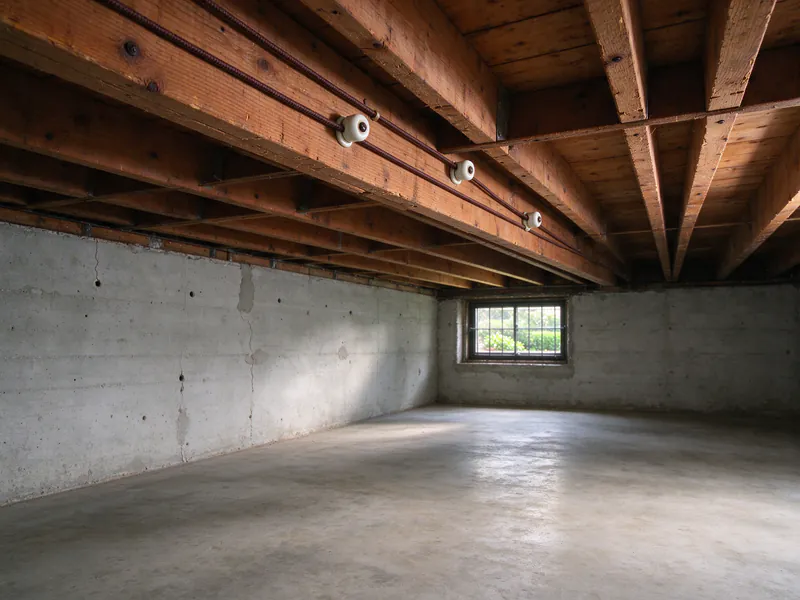
Original knob and tube circuits were laid out for a few ceiling lights and a handful of outlets, often several rooms to one fuse. Later owners added to them. A remodel might have run new cable from a kitchen back to an old ceiling splice, or a handyman might have tapped a hall circuit for a bathroom heater. Each addition leaves a joint between eras hidden in a ceiling or wall, and those joints are where problems concentrate: an unboxed splice, a later cable with no ground, or a circuit protected by a fuse larger than the old conductors can carry.
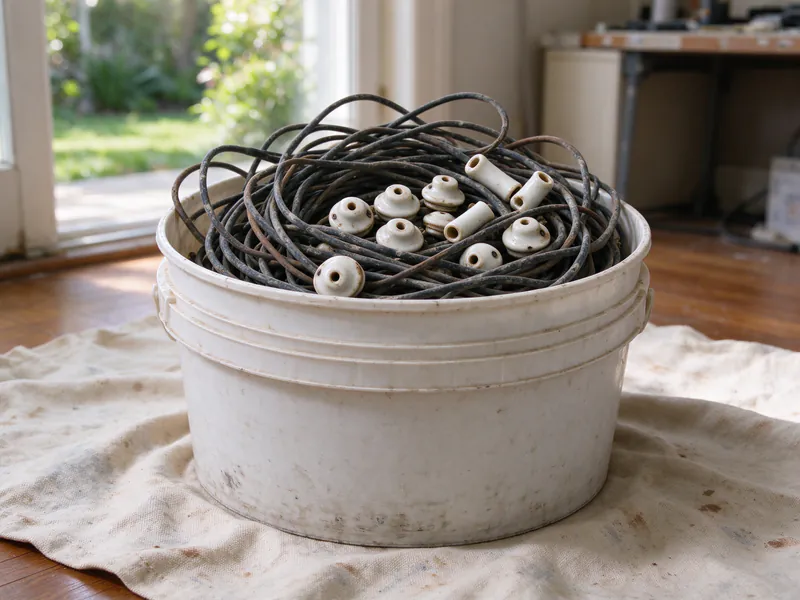
Replacing one circuit at a time leaves those joints for someone to find later. A whole-house scope replaces the original branch circuits, the cloth-insulated cable that followed them, and the hybrids in between, so nothing old stays connected behind a modern-looking outlet. Where testing shows that most of the house was already rewired by an earlier remodel, a partial replacement is usually the better value, and the plan should say so. Retired runs that stay in the walls are disconnected at both ends; San Francisco’s electrical code requires unused conductors to be removed or identified and terminated in an approved manner, which is what knob and tube removal covers.
Planning new circuits and the panel together
A whole-house rewire is the one chance to fix the circuit layout without opening walls twice. Kitchen countertops, bathrooms and laundry get their own circuits. Rooms with one or two outlets get more. Dedicated circuits are planned for appliances that used to share, and for anything electric the owner expects to add, such as an induction range, a heat pump dryer or a car charger. A load calculation then shows whether the existing panel and service can carry the plan.
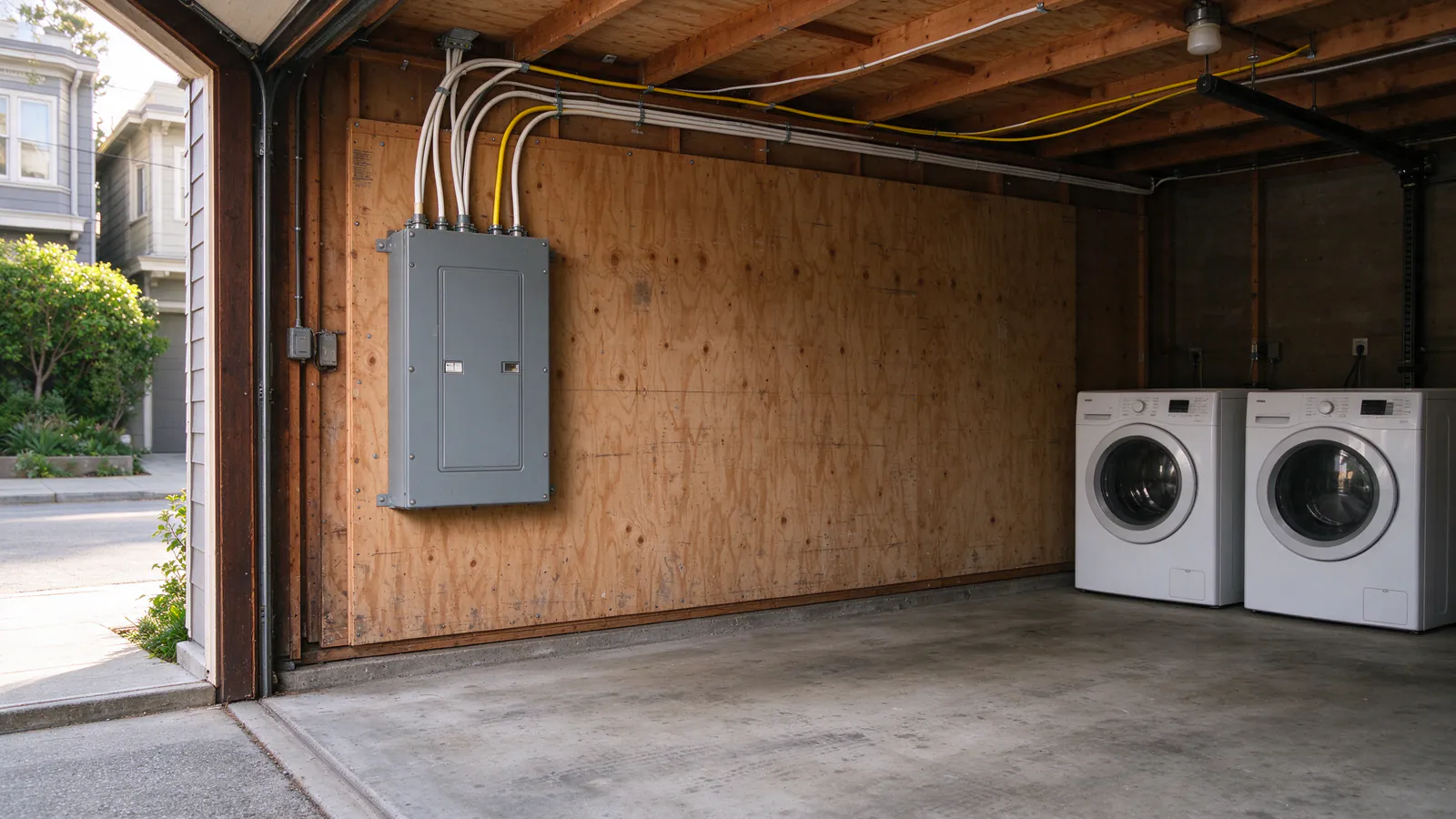
That is why the panel question belongs in the same plan. In DBI permit descriptions that name knob and tube, filed since 2016, 27.9% mention a subpanel, 11.3% mention 200 amps and 11.0% mention a service upgrade, main panel or meter. When more capacity is needed, an electrical panel upgrade is scheduled with the rewire, and PG&E handles its side through its own application, with full payment due before PG&E starts construction. A new panel by itself replaces no branch wiring at all, which the panel upgrade vs rewiring guide explains in detail. San Francisco’s own amendments also matter here: new service-entrance conductors must run in a raceway such as rigid metal or PVC conduit of at least 1-1/4 inch, not in cable.
Routing cable through a San Francisco house
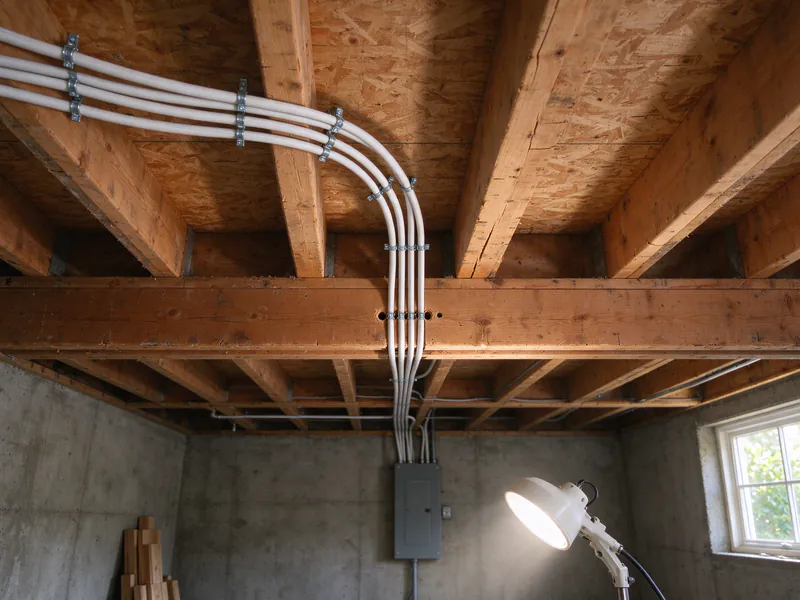
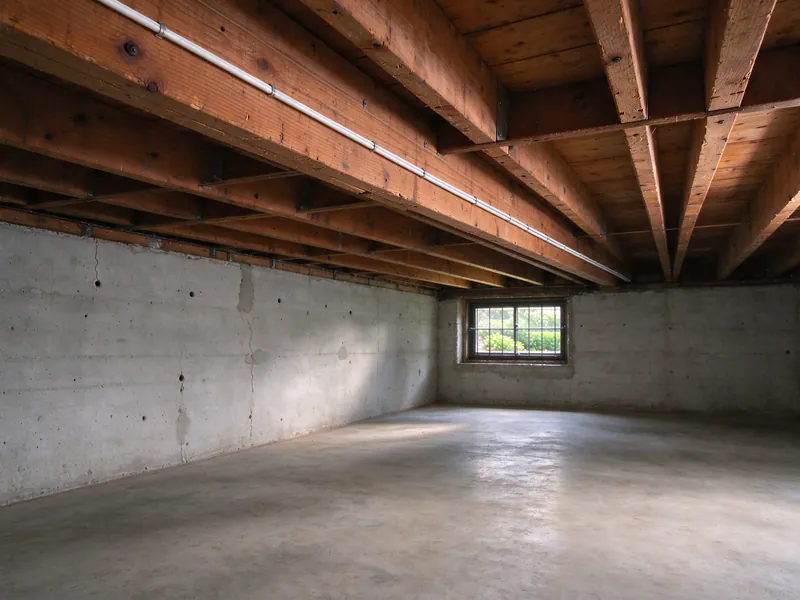
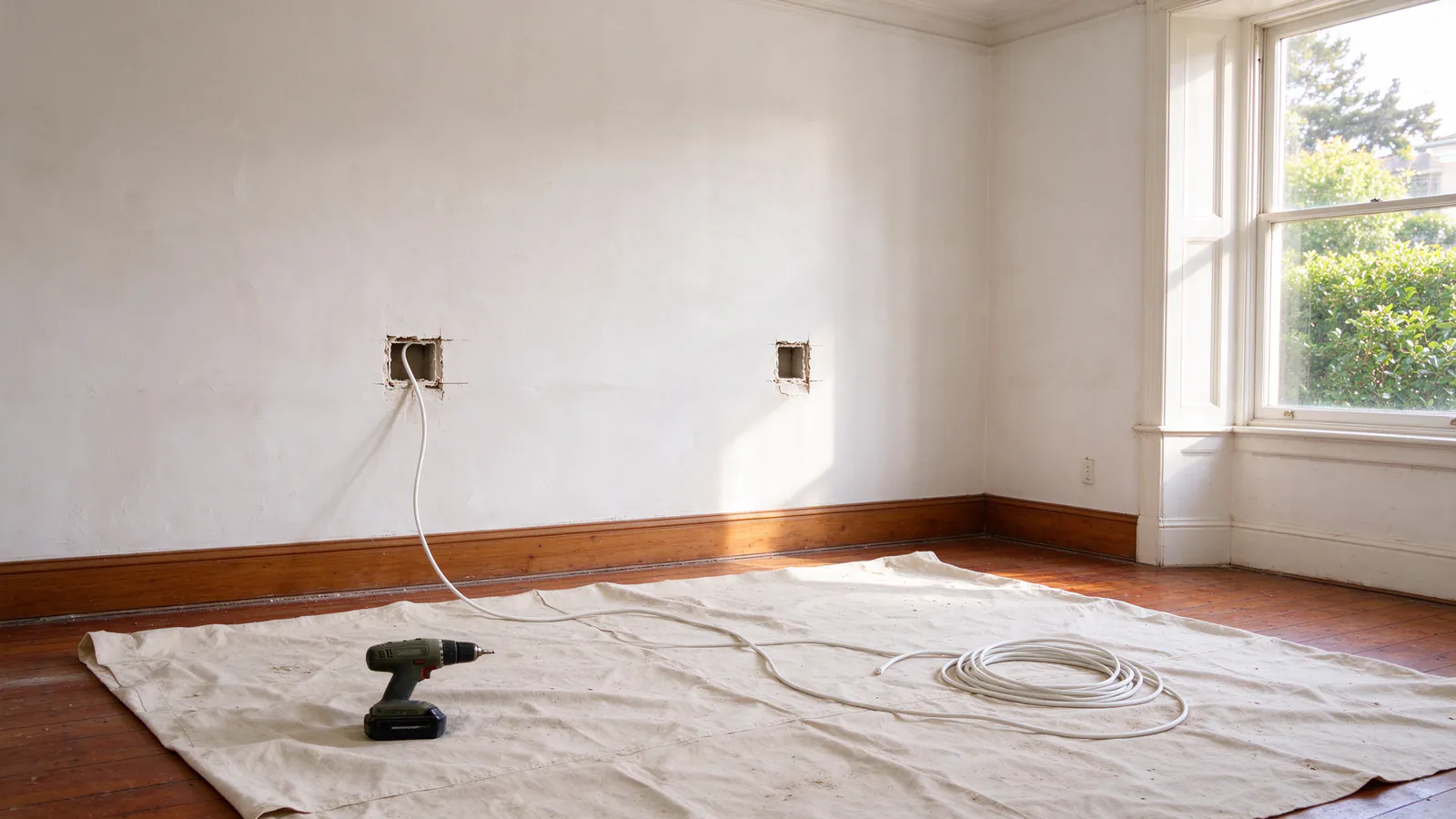
Where cable goes is what separates a tidy rewire from a messy one. Basement and garage ceilings, attics, closets and stacked bathroom walls are used first, and walls are opened only where a run cannot be fished. San Francisco treats premises wiring less than 8 feet above a walking surface as subject to physical damage, which matters in the ground-floor garages under so many west-side houses: cable along a low garage ceiling may need protection or a different wiring method.
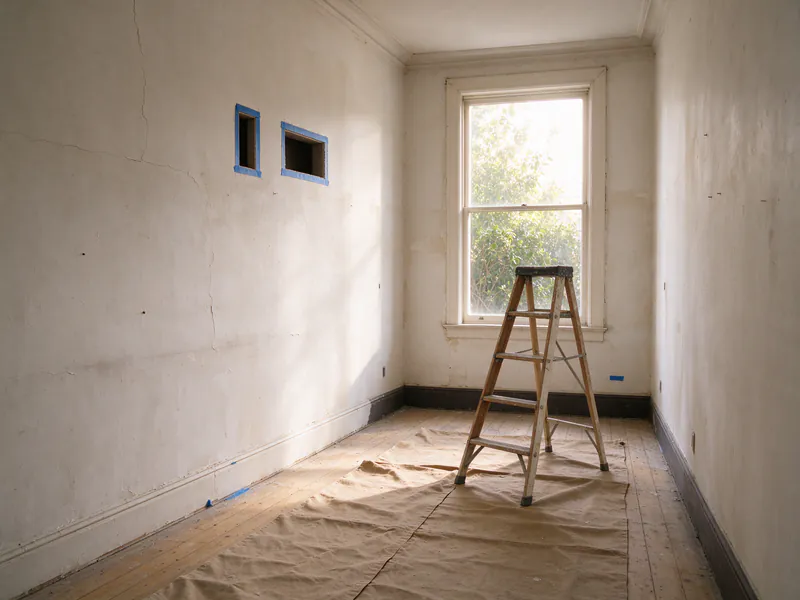
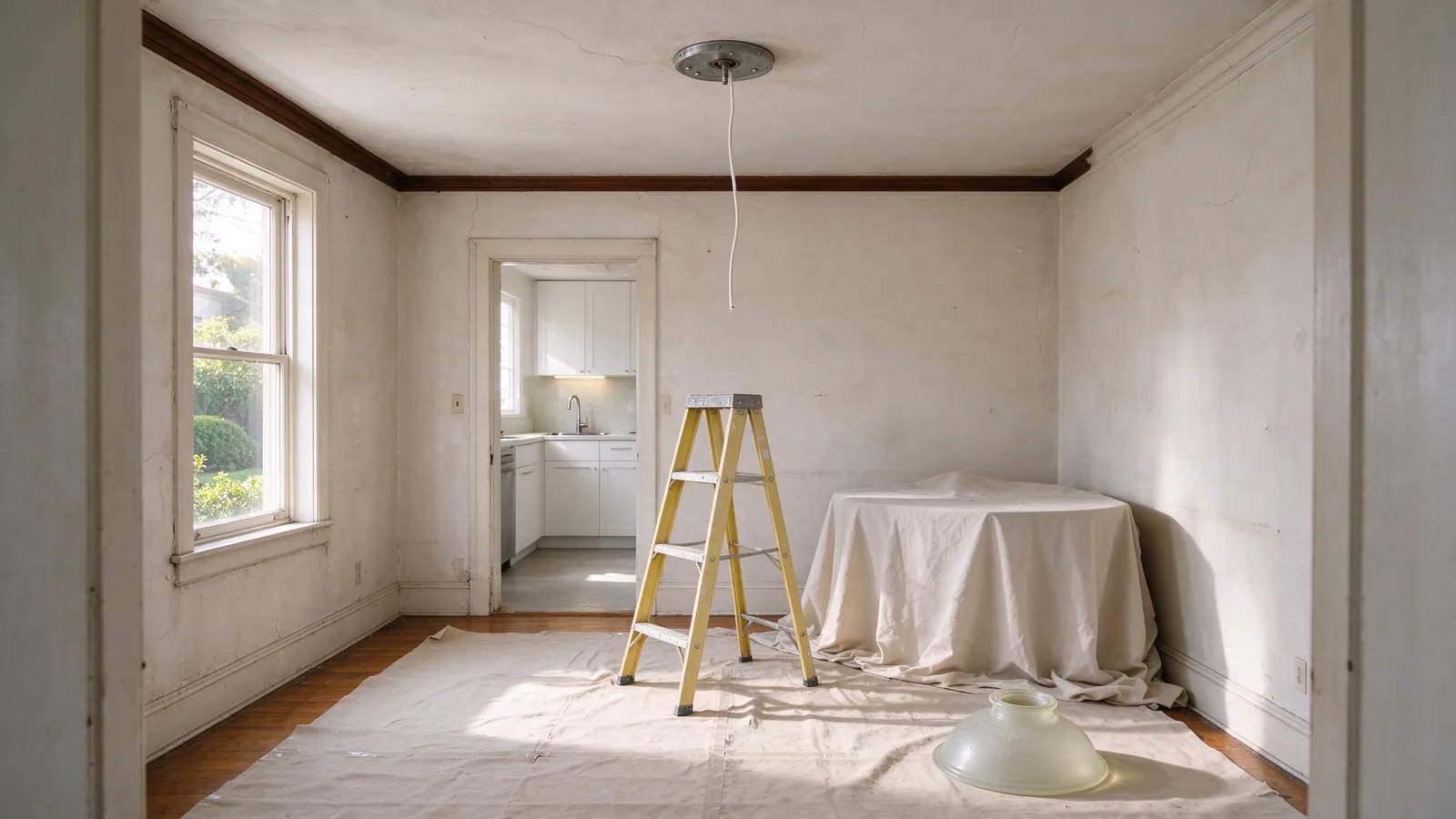
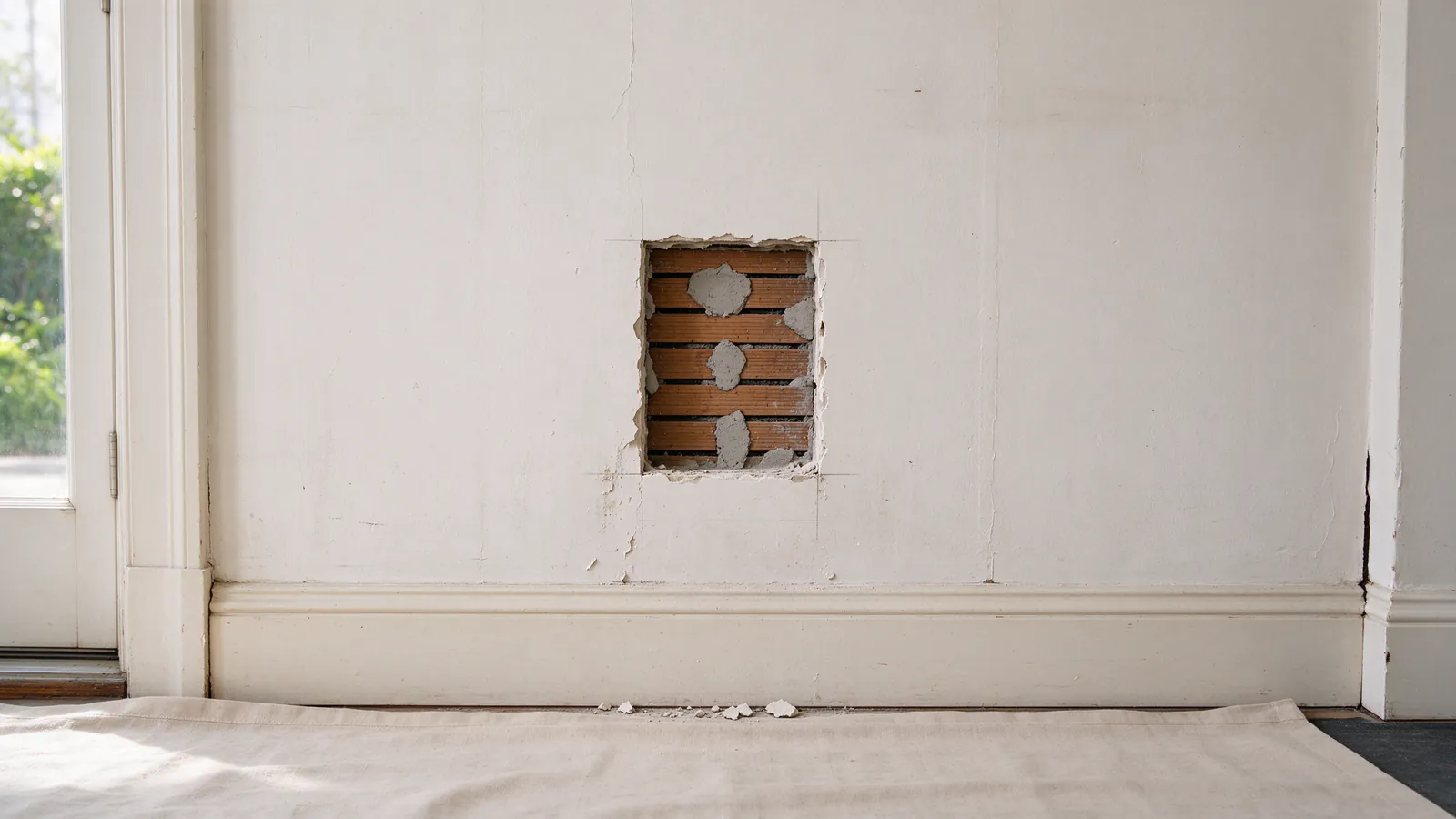
Plaster and lath is the other constraint. Openings are kept small, placed at outlet boxes, ceiling fixtures and the tops and bottoms of wall cavities, and patched afterward, with the patching shown as its own line in the quote; plaster-wall rewiring covers the methods. DBI presumes buildings built before 1979 contain lead paint unless a certified inspector proves otherwise, and the EPA requires firms paid to disturb paint in pre-1978 homes to be certified and follow lead-safe practices. The lead and asbestos guide explains what that adds.
In buildings with more than one unit, each existing dwelling unit needs its own DBI electrical permit, and San Francisco limits where nonmetallic cable can go in common areas of some multifamily construction types. Apartment building rewiring covers phasing around tenants.
Code protection on the new work
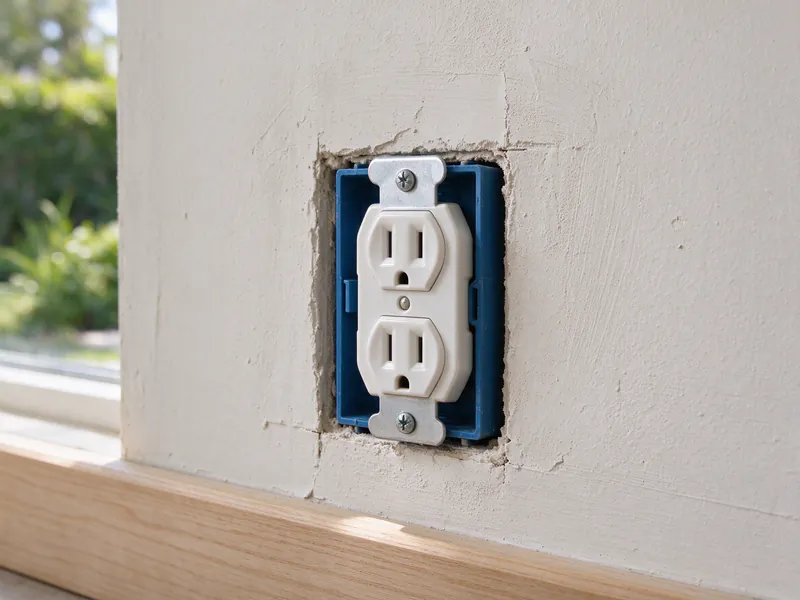
New circuits are built to the California Electrical Code that San Francisco adopted, operative January 1, 2026. Replaced or extended branch circuits serving most living areas need arc-fault protection, kitchens, bathrooms, laundry areas and the other listed locations need ground-fault protection, and new receptacles must be tamper-resistant. Every new cable carries an equipment grounding conductor, so the grounded outlets it feeds are grounded in fact, not only three-prong in appearance. About one in ten San Francisco knob and tube permit descriptions also mention smoke alarms. The AFCI and GFCI guide covers what each device does.
The pre-cover inspection happens before any wall or ceiling is closed. DBI can order concealed, uninspected work exposed at the owner’s expense, so patching waits for that sign-off. After the final inspection, DBI issues the Certificate to Connect Current, the Green Tag.
Insurance, sale and rebates
Insurance is often what starts a whole-house job. Thirty San Francisco knob and tube permit descriptions filed since 2016 cite an insurer, one of them reading “like for like insurance requirement to replace existing knob & tube to nm cable.” A whole-house rewire with a written circuit record gives the clearest answer to an underwriter’s question, but the carrier still makes its own decision; an electrical inspection for insurance documents the house before or after the work.
BayREN’s EASE Home program reimburses up to $2,000 to fix active knob and tube for income-qualified PG&E customers whose homes have four or fewer units, as part of an EASE Home weatherization project; the BayREN rebate guide has the eligibility details. Fog City SF Knob and Tube helps with the rebate paperwork, and the electrical contractors who do the work supply the electrician’s invoice and the inactivity certification the program asks for; BayREN decides eligibility and the amount.
Want to see the circuit plan for your house?
The walk-through shows what is original, what was added later and what a whole-house scope would replace and add.
What the quote should separate
A whole-house quote is easier to compare when it splits four things: the electrical scope, the panel or service work, the PG&E side, and patching and paint. Bay Area homeowners report that some electricians price wiring only and leave the openings, while others include plaster repair as its own line. Neither is wrong, but two quotes that look far apart may simply be covering different work. A Fog City SF Knob and Tube quote includes the plaster patching as its own line. The rewiring quote checklist lists what to ask for, the San Francisco cost guide explains each part of the price, and the cost estimator gives a first number without a call.